September brought relief to the peanuts in the dryland fields with much needed rain. The last significant rain was on August 5th when the remnants of Hurricane Debby passed through our area, providing 1.9 inches of rain at the DATA Farm. The first rain event in September was on 9/2 with only 0.1 inches, but 9/6 brought significant slow rain with a total of 2.4 inches from 1:30 pm till 10:00 pm with an average intensity of 0.30 in/hr. The peanuts were starting to dry out, showing signs of stress just before the rains came in September. The cotton in South Pivot triggered irrigation twice before the rain started on 9/6. The rain was able to reset all the soil sensor well below the irrigation threshold of 45 kPa as the cotton approached “Cut Out” and the water usage of the crop dropped significantly. Figure 1 shows September’s rainfall with maximum, minimum, and average temperatures.

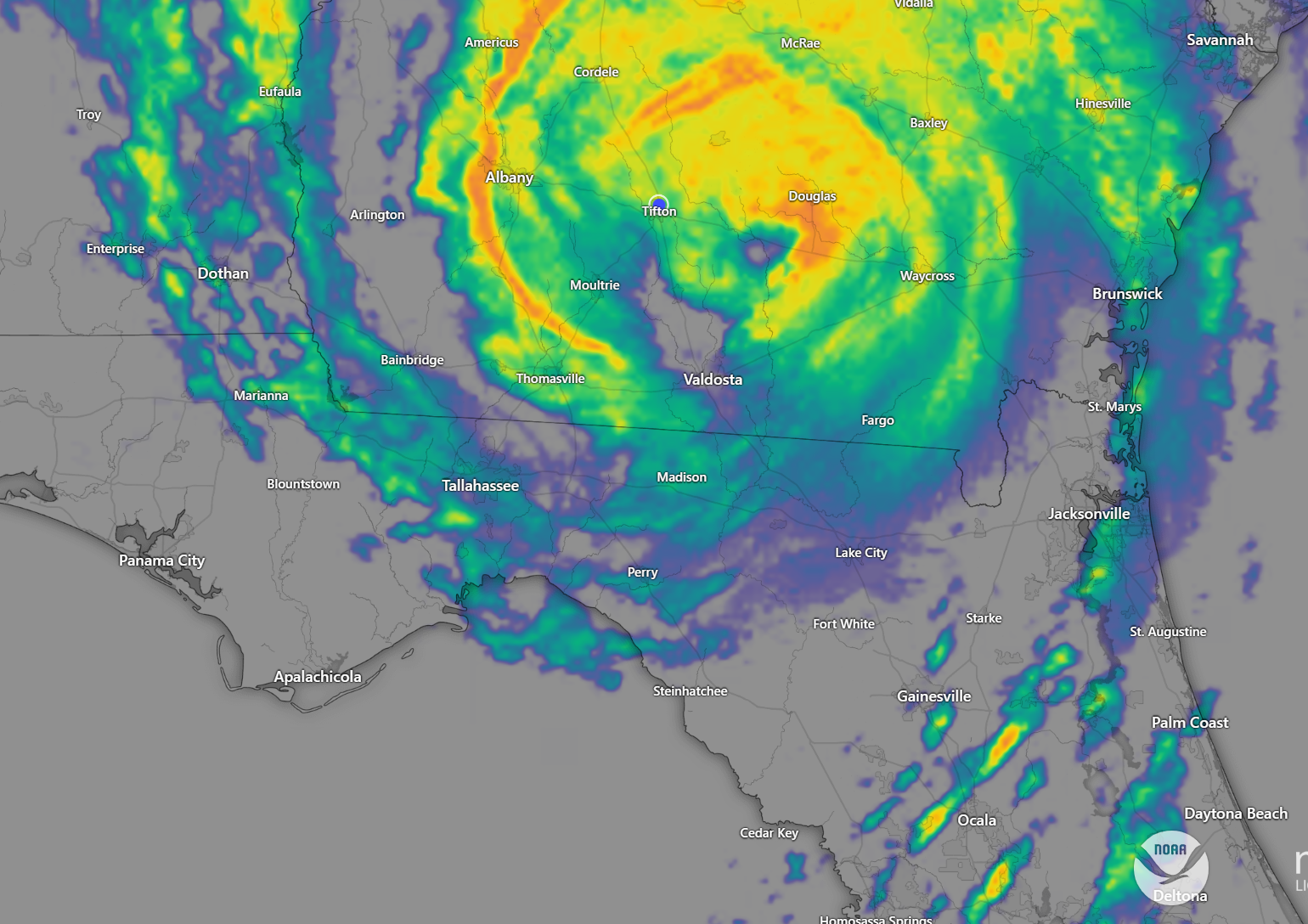
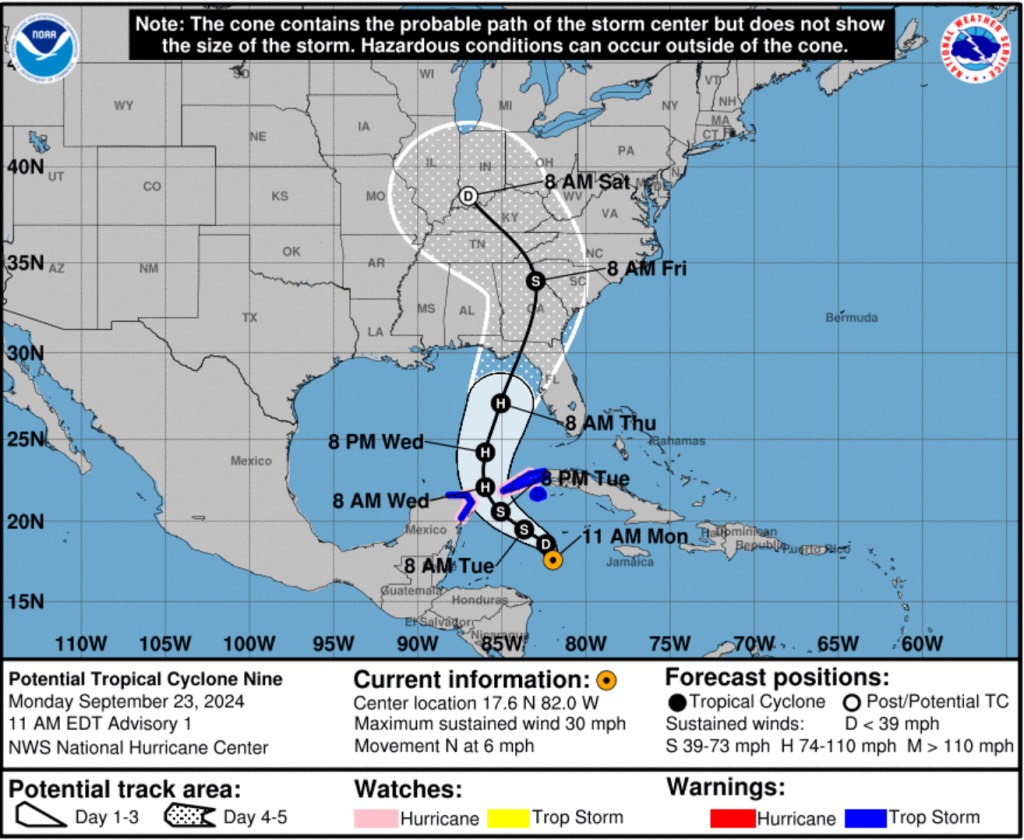
The most extreme weather event of September came during the last week of the month. Hurricane Helene passed through the area during the night of September 26th and morning of September 27th. The storm system brought 9.2 inches of rain increasing our monthly total to 16.9 inches. More damage from this system occurred from strong winds rather than rainfall in the area. The max gust recorded by the DATA Farm weather station was 48.6 miles per hour and a peak sustained wind speed of 23.7 miles per hour. These winds caused many trees in the area to fall, which damaged structures and caused widespread power outages while also damaging mature cotton crops. The original forecasted path of the storm showed the eye passing just west of the DATA Farm, but after making landfall, the storm shifted its track slightly to the east. Fortunately, the DATA Farm remained on the less intense side of the eye, which spared the cotton in South Pivot from damage. Areas of Georgia just east of Tifton were not as fortunate and suffered extensive damage to their crops. Figure 2 shows radar images from 9/27/24 captured at 12 AM, 1 AM, 2 AM, and 4 AM showing storms progression after making landfall in Florida and crossing into South Georgia. Figure 3 shows the original predicted path of the storm on 9/23/24.
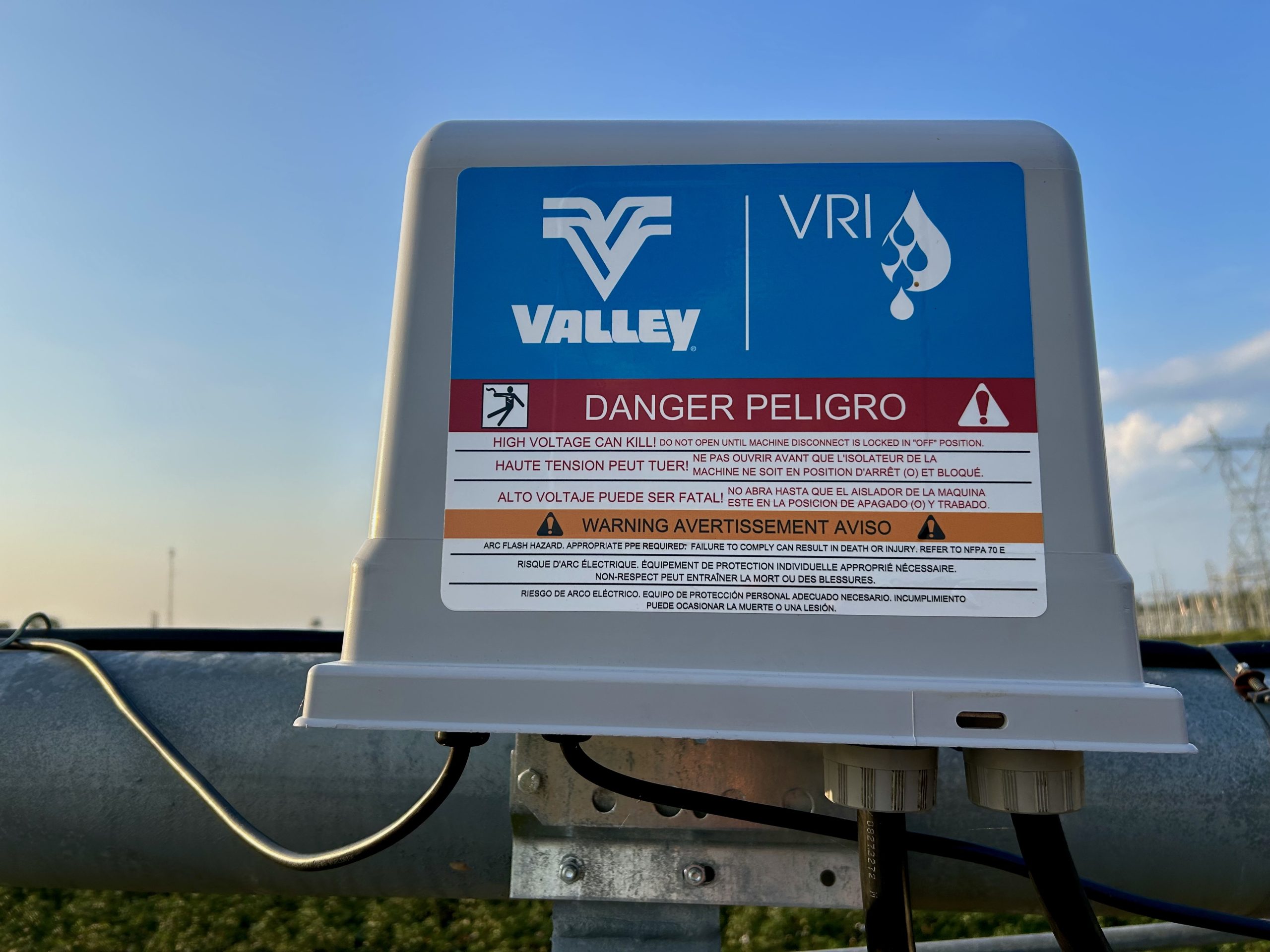
The variable rate irrigation upgrade for the center pivot was installed during September. This upgrade will allow control of each individual nozzle on the pivot using prescription maps to adjust irrigation for different zones of the field. This also allows nozzles to cut off as they exit the field to conserve water. Figure 2 shows one of the control modules and a nozzle control assembly.
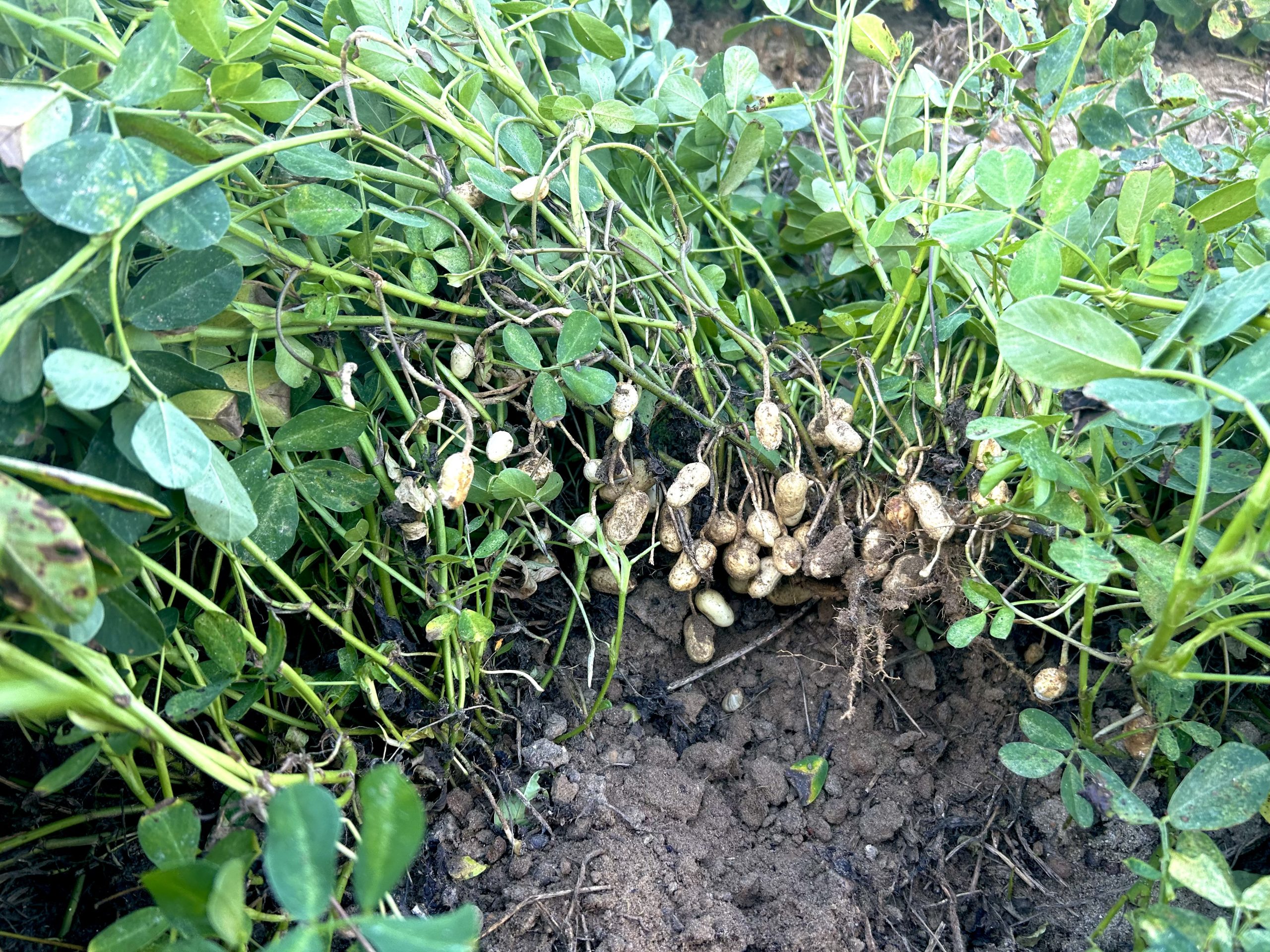
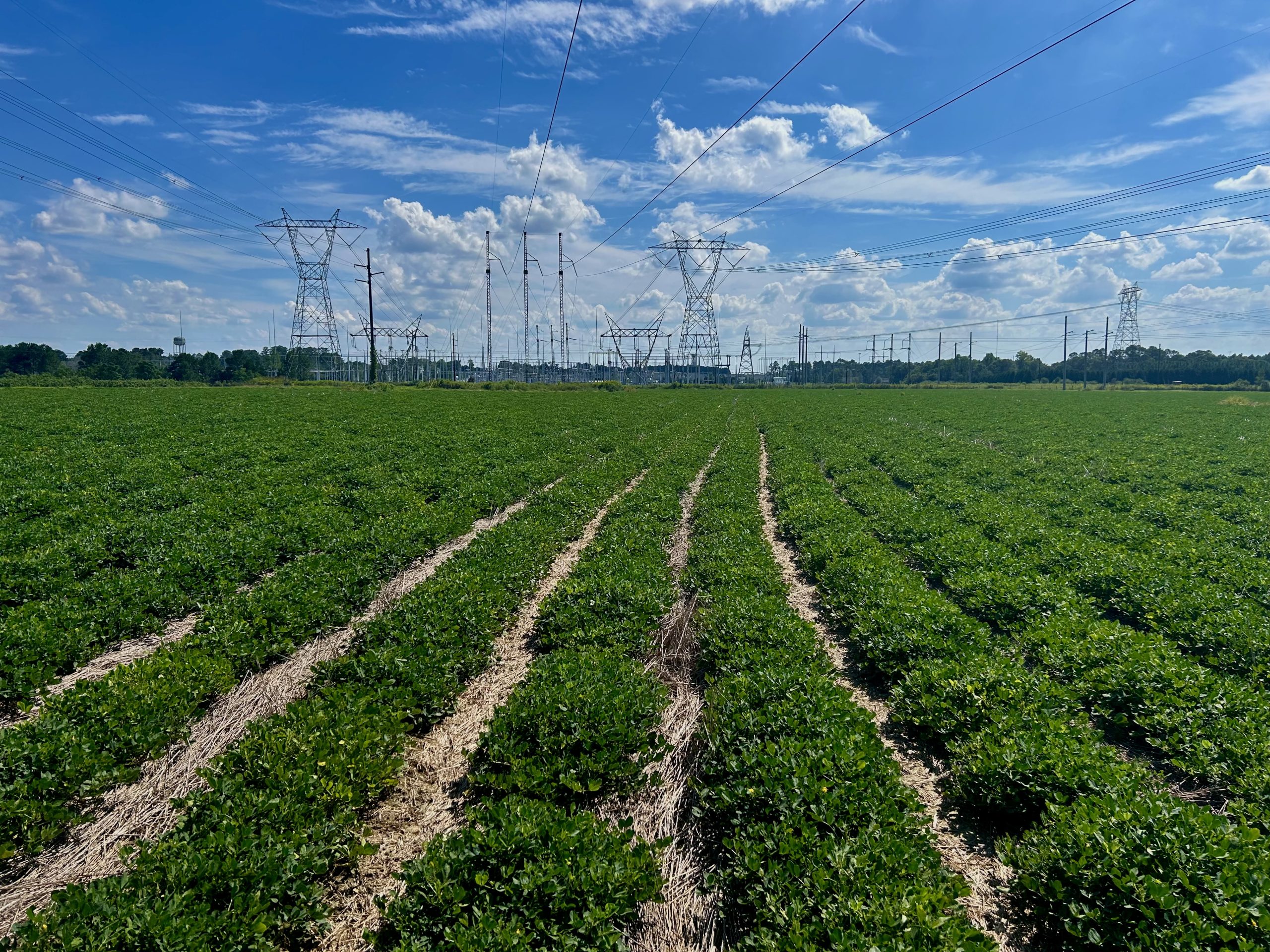
The peanuts are currently in the pegging stage developing peanut pods. Figure 2 shows images of the current crop stage. They were sprayed with Chlorothalonil and Tebuconazole on 9/3/24 and 9/19/24 for the 90-day and 105-day fungicide treatments. The maturity test scheduled for when the crop reached 2500 GDUs will be delayed due to weather conditions this season. Front Field reached 2500 GDU’s at 104 days after planting. The UGA Extension Colquitt County Ag Report on 09/15/24 states that Georgia 06G, the variety planted in Front Field, is averaging 145+ days to maturity for dryland peanuts during their recent Hull Scrape Clinics. We will perform a hull scrape test when the peanuts are 125 days old.
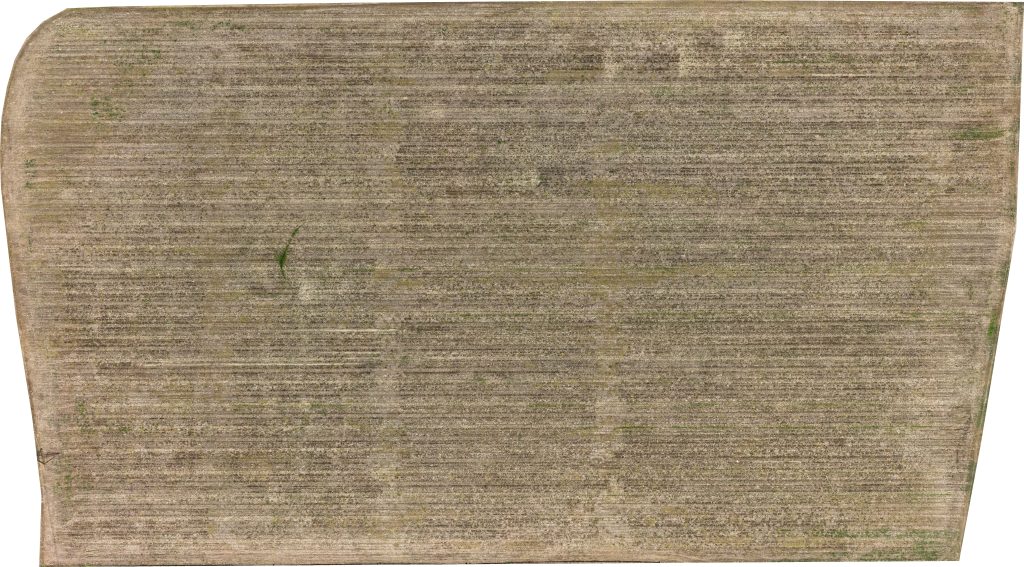
On 9/9 the corn stalks and remaining weeds were mowed in preparation for planting of winter cover crop. On 9/19 an herbicide application of Glyphosate, 2,4 D, and Glufosinate was made to terminate the volunteer peanuts growing under the corn and any remaining weeds. The 2,4 D applied has a 40-day plant back restriction, so on 10/19/24 the cereal rye cover crop will be spread and then cut in with a KMC Resi-till vertical tillage implement.
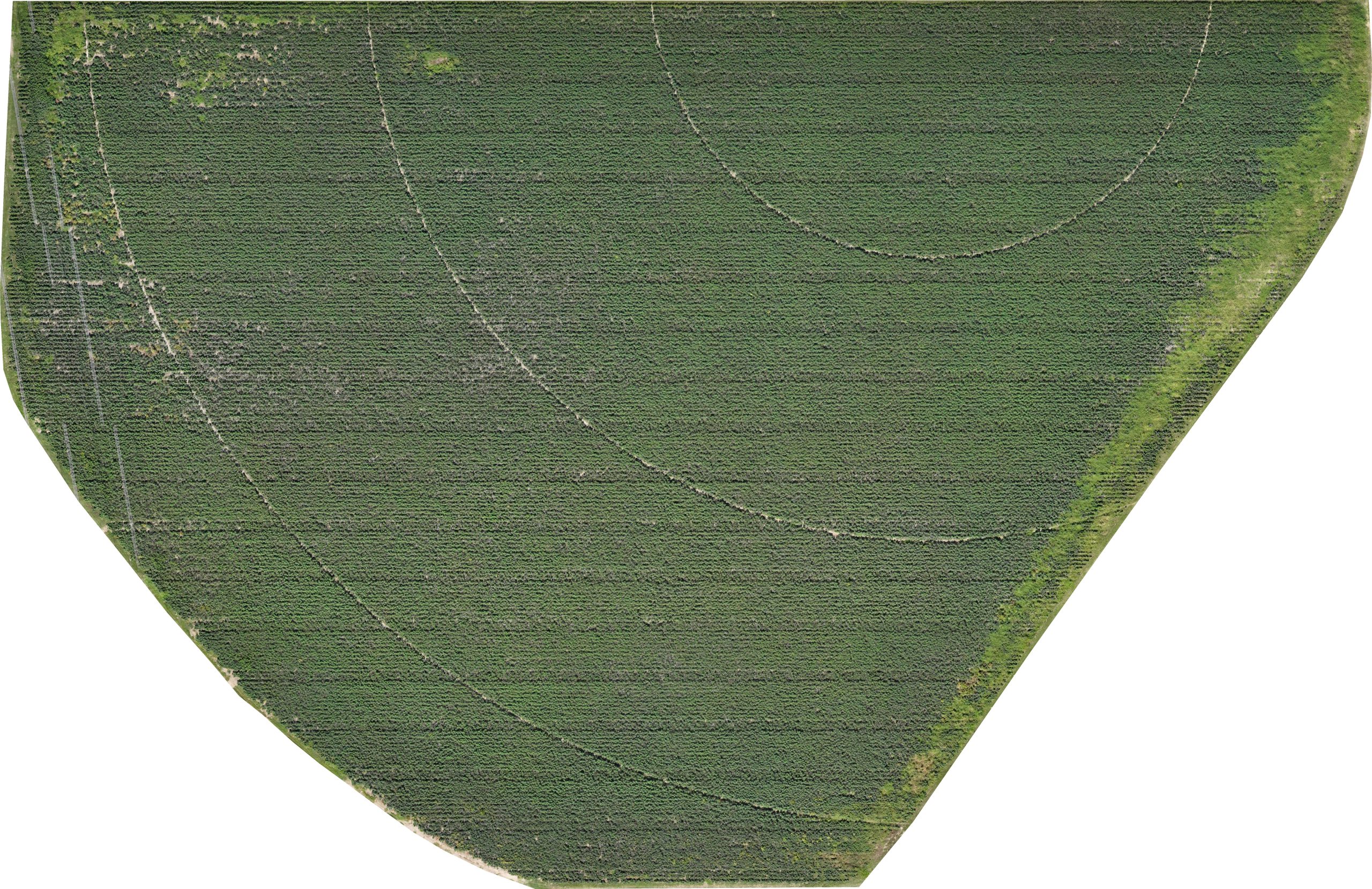
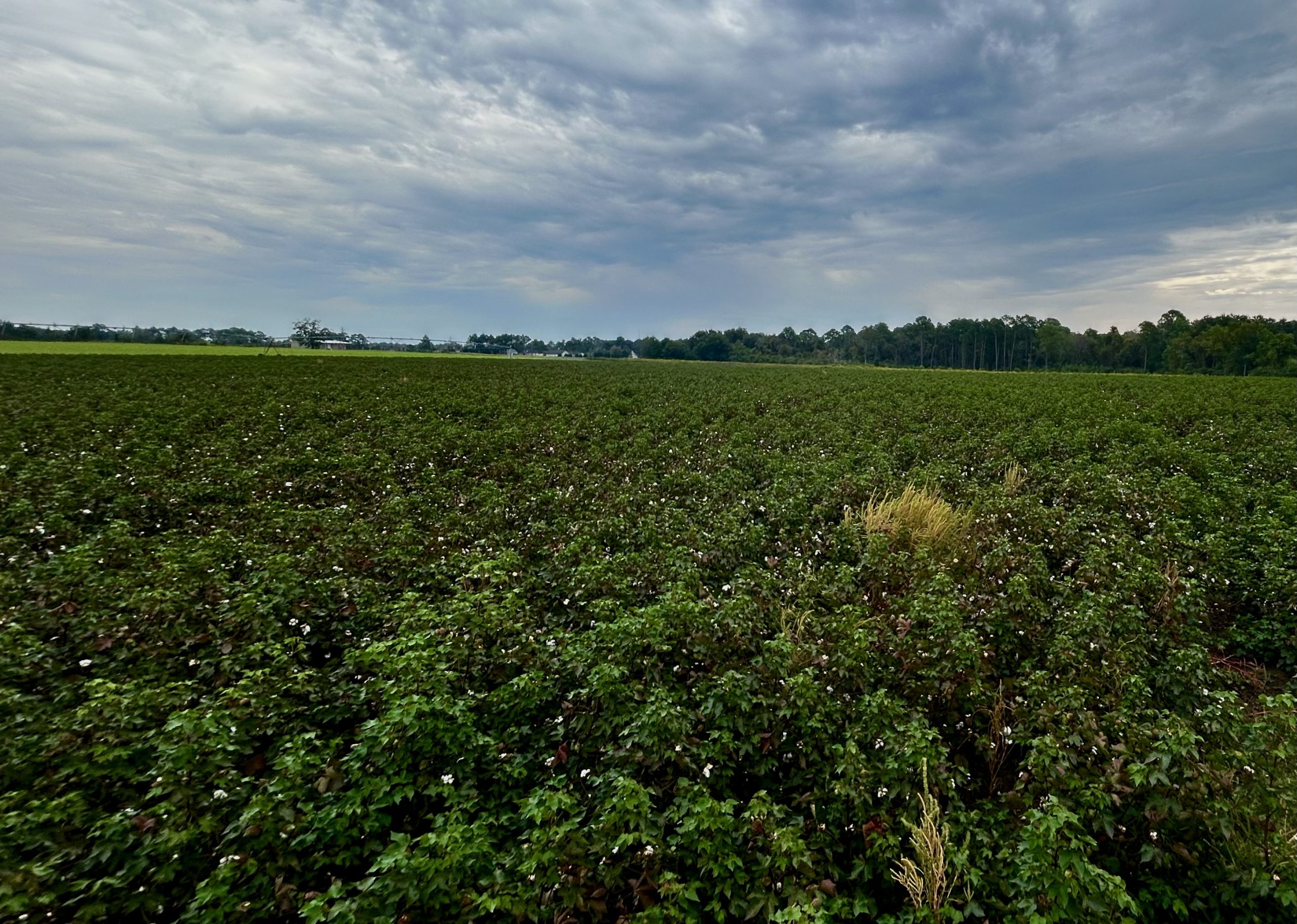
South Pivot soil moisture decreased, triggering irrigation events on 9/1/24 and 9/3/24. The month started off dry before receiving 2.36 inches of rain on 9/6/24. The crop boll opening was monitored to determine when to schedule defoliation. At the end of the month, the crop was nearing the 60% open boll threshold before Hurricane Helene arrived. When the crop dries out after the storm, coordination with the harvest crew will take place to schedule defoliation. Figure 6 shows images of the current crop stage.
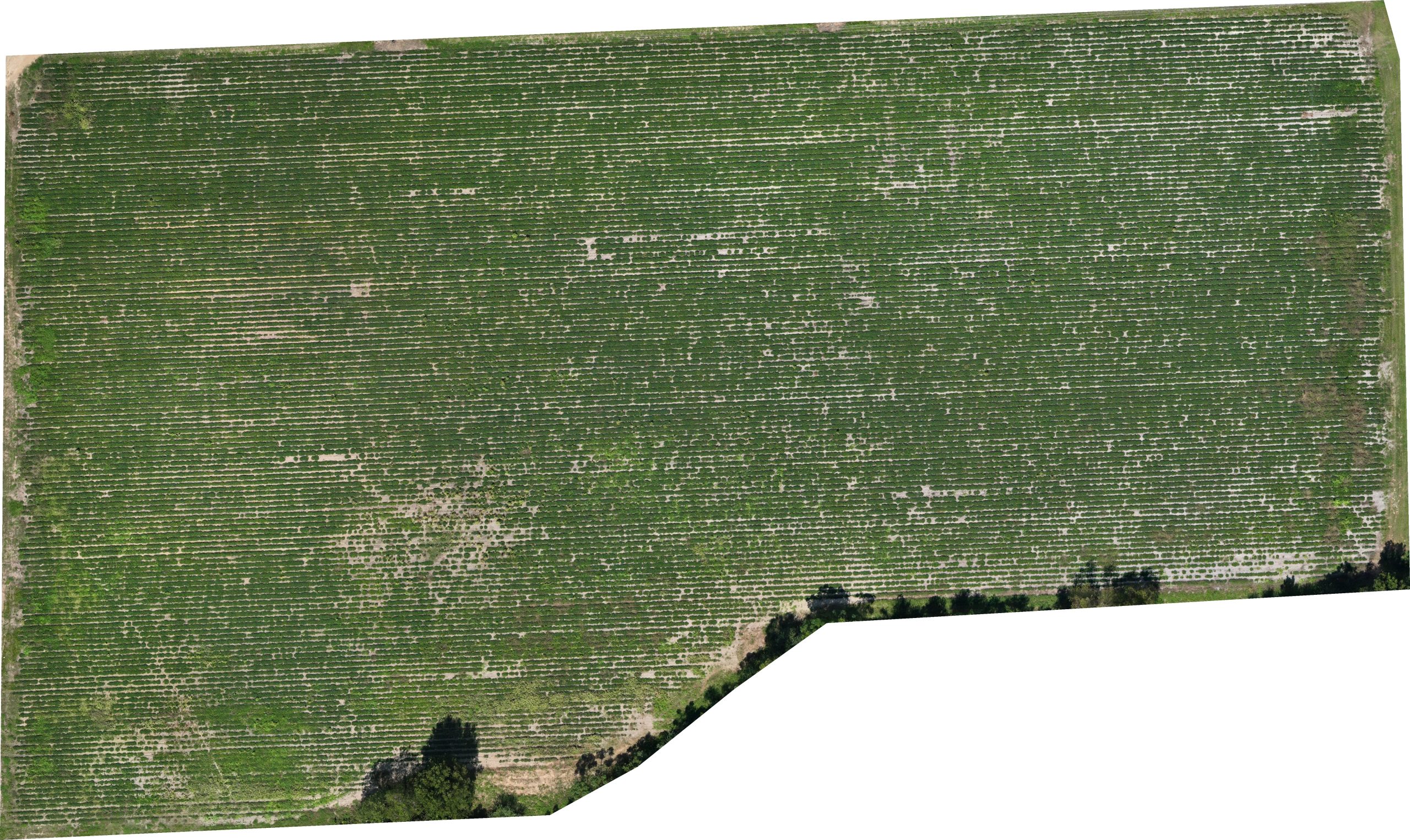
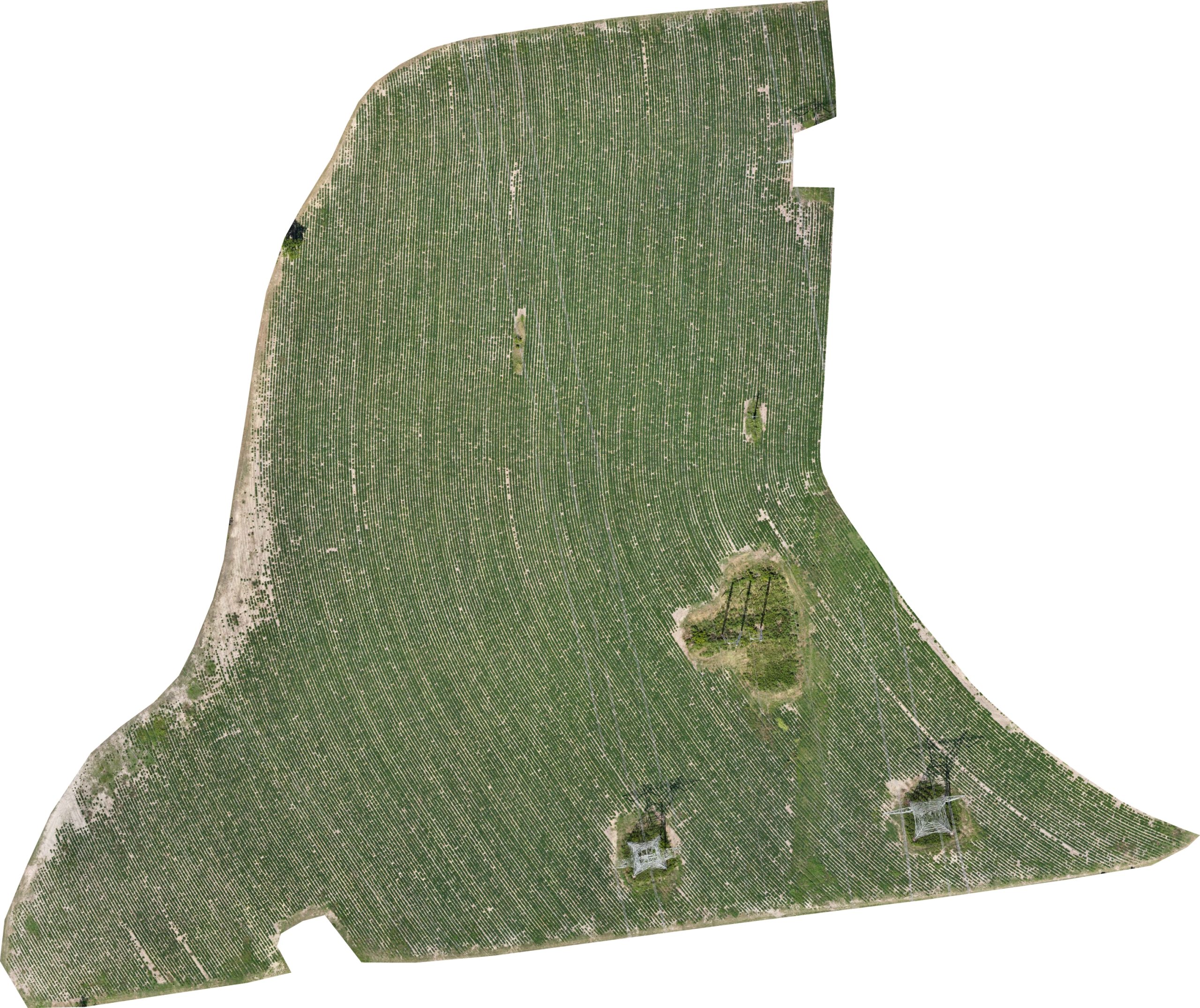
The peanuts are currently in the pegging stage developing peanut pods. Figure 5 shows images of the current crop stage. They were sprayed with Chlorothalonil and Tebuconazole on 9/3/24 and 9/19/24 for the 90-day and 105-day fungicide treatments. The maturity test scheduled for when the crop reached 2500 GDUs will be delayed due to weather conditions this season. West Field reached 2500 GDU’s at 104 days after planting. The UGA Extension Colquitt County Ag Report on 09/15/24 states that Georgia 06G, the variety planted in West Field, is averaging 145+ days to maturity for dryland peanuts during their recent Hull Scrape Clinics. We will perform a hull scrape test when the peanuts are 125 days old.
Operations:
Subscribe to get the latest posts sent to your email.